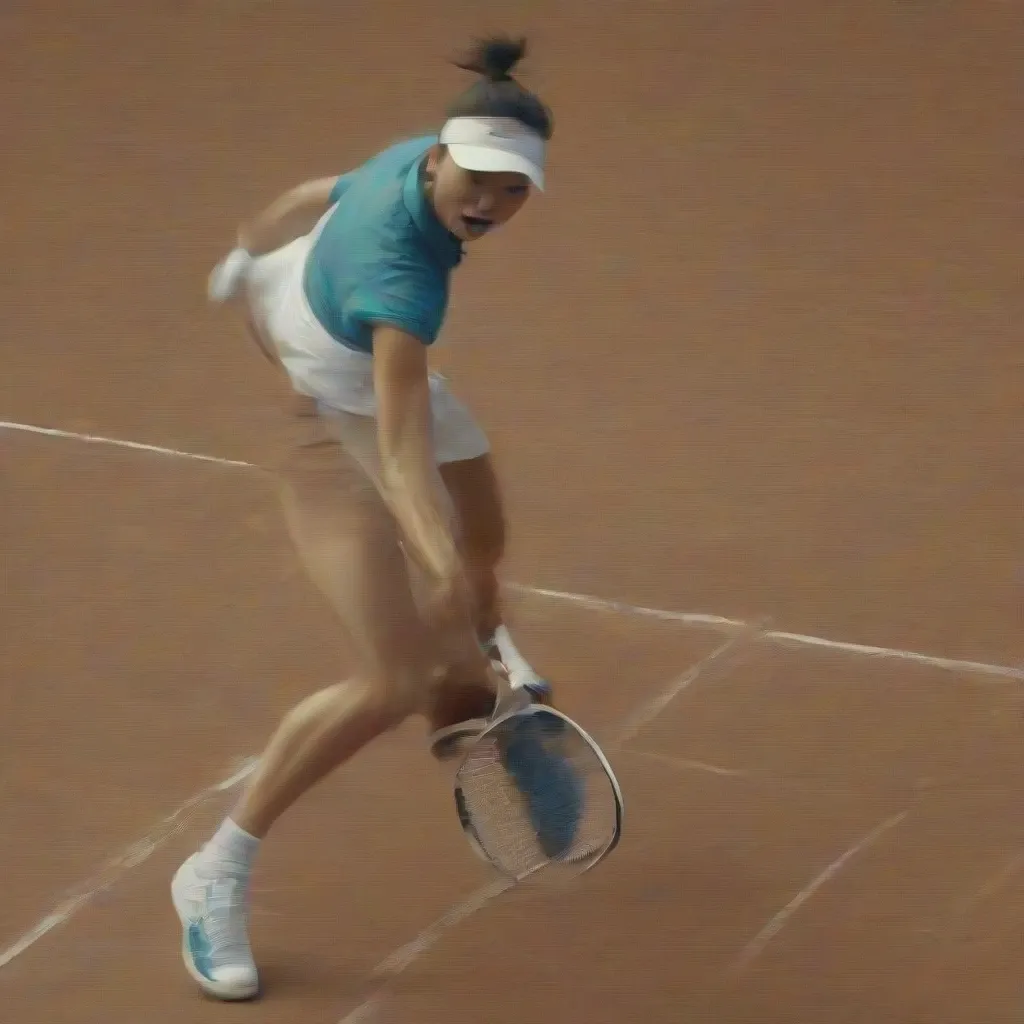
The tension hangs thick in the air. Match point. The crowd roars, a wave of sound crashing over the court. Every muscle screams, every breath feels monumental. I remember one tournament, the final set deadlocked, each point a battle waged in inches. It all came down to a blistering serve, an ace that kissed the line, followed by a tiebreak where nerves frayed and strategy was everything.
In tennis, aces and tiebreaks aren’t just statistics; they are pressure cookers where matches are forged and broken. An ace can shift momentum in an instant; a tiebreak can turn a sure victory into a crushing defeat. They demand not just skill, but a steely resolve, a cunning mind, and a game plan executed flawlessly under immense pressure.
This isn’t just another tennis article; it’s your courtside companion, your secret weapon for dominating those pivotal moments. Forget generic tips; we’re diving deep into the art of the serve, the psychology of the tiebreak, and the strategies that transform pressure into power. Consider this text your guide to not just playing tennis, but winning it, one ace and one tiebreak at a time.
The Anatomy of an Ace: More Than Just a Free Point
In tennis, an ace isn’t just a point; it’s a statement. An ace definition boils down to a serve that lands within the correct service box and is not touched by the receiver. This tennis serve must be a legal serve, meaning it adheres to all the rules regarding foot faults and the trajectory of the ball. No part of the ball can hit the net (no let). If all these conditions are met, the server wins the point outright.
The impact of an ace extends far beyond the scoreboard. For the server, it’s a surge of confidence, a validation of their power and precision. Conversely, for the receiver, an ace can be demoralizing, a sign that they are struggling to read and react to the serve. The server accumulates crucial points and creates an efficient momentum forward. Historically, players renowned for their powerful serves and high ace counts have often dominated the game. Observing ace statistics reveals trends in serving strategies, court surfaces influencing serve effectiveness, and shifts in players’ tactical approaches during matches.
Tiebreaks: The Ultimate Test of Nerve
In the high-stakes world of tennis, few moments are as electrifying as the tiebreak. Instituted to prevent endless sets, tiebreaks are the ultimate test of skill and mental fortitude. The tiebreak rules are simple: the first player to reach seven points, with a difference of two, wins the set. Sounds straightforward, right? But when a set score is leveled at 6-6, the atmosphere thickens with palpable tension.
The shift in momentum is significant. Players who were dominating moments before suddenly find themselves wrestling with doubt. The pressure is immense. Each point becomes magnified, and mistakes are amplified. This is where mental toughness comes into play. The ability to shut out the noise, manage anxiety, and execute under pressure is critical. A tiebreak isn’t just about tennis; it’s a psychological battle. Players must harness their focus, trust their instincts, and maintain composure in the face of adversity.
Tiebreak strategy often shifts from aggressive plays to calculated risks. Maintaining a high first-serve percentage becomes crucial. Players start aiming for bigger targets and deeper shots. The slightest hesitation or dip in confidence can change everything. The tiebreak isn’t just about winning the set; it’s about proving you can handle the pressure. Famous tiebreaks in tennis history are filled with dramatic twists, showcasing not only athletic prowess but also exceptional mental resilience. They remind us that in tennis and in life, the ability to stay calm under pressure can make all the difference.

Perfecting the Pressure Serve: Techniques and Drills
The tennis serve can be a game-changer, especially when delivered with consistency and power. Mastering it, however, requires more than just raw strength; it demands a blend of technique, strategy, and mental fortitude. Improving pressure serve involves refining your serve mechanics and building resilience to perform under pressure. Here’s how to do it.
Grip and Stance
Your grip is the foundation of a powerful and consistent serve. The continental grip is often recommended as it allows for versatility in generating different types of serves, from flat to slice to kick. Experiment with slight variations to find what feels most natural and allows you to generate the most racquet head speed. Your stance should be comfortable and balanced, with your feet shoulder-width apart. A slight angle towards the net can help you generate more power.
The Swing Path
The swing path is crucial for both power and consistency. Focus on a smooth, continuous motion, starting with the racquet down and looping up towards the ball. Visualize brushing up and out on the ball to impart spin, which will help bring the ball down into the service box. Avoid jerky movements, and concentrate on a fluid transfer of energy from your legs to your core to your arm.
Drills for Serve Consistency
Consistency can be improved with some drills. One effective drill involves setting up targets in the service box and aiming for them with each serve. Start with larger targets and gradually decrease the size as your accuracy improves. Another drill is to focus solely on your toss, practicing it repeatedly until you can consistently place the ball in the same spot. A consistent toss is key to a consistent serve.
Pressure Serve Drills
A drill to put you under pressure is timed serves. Time yourself serving a number of serves in a row; then give yourself a small achievable target. After you achieve it, add a bit more of a challenge. You want to work on getting the serve in, even if it’s slower.
Perfecting the pressure serve is a journey that requires dedication and focused practice. By honing your technique, practicing consistently, and building mental resilience, you can transform your serve into a weapon that gives you a competitive edge.
Mental Fortitude: The Unsung Hero of Tiebreaks
Tiebreaks aren’t just about serves and volleys; they’re a psychological battlefield where mental toughness reigns supreme. When the score is deadlocked and pressure mounts, the player who can control their mind often controls the outcome. Forget raw talent alone – in these high-stakes moments, mental fortitude is the ultimate game-changer.
So, how do you cultivate this crucial mental edge? Let’s start with visualization. Before the tiebreak even begins, picture yourself executing successful serves, hitting clean winners, and maintaining composure under pressure. This pre-match mental rehearsal primes your mind for success, making it more likely to manifest in reality. It’s like watching the highlight reel before stepping onto the court – you’re feeding your subconscious with positive imagery.
Next up is positive self-talk. Negative thoughts are like termites, silently eating away at your confidence. Replace them with empowering affirmations. Instead of thinking, “I always choke in tiebreaks,” tell yourself, “I am a strong player, and I thrive under pressure.” This internal dialogue can dramatically shift your mindset, turning doubt into determination. I once saw a player completely turn around a match simply by repeating “I got this” after every point, regardless of the score.
Breathing exercises are your secret weapon against anxiety. When your heart is pounding and your palms are sweating, take a few slow, deep breaths. Inhale deeply, filling your lungs, and exhale slowly, releasing tension. This simple act can calm your nervous system, allowing you to think more clearly and react more effectively. During a particularly tense tiebreak in a local tournament, I remember feeling my nerves skyrocket. I stepped back, closed my eyes, and took three deep breaths. It grounded me instantly, allowing me to refocus and ultimately win the point.
Finally, remember that resilience is key. Setbacks are inevitable, even in tiebreaks. Don’t let a missed shot or a bad call derail your focus. Instead, acknowledge the mistake, learn from it, and move on. Develop a short memory and a refuse-to-quit attitude. Mental toughness isn’t about avoiding mistakes; it’s about how you respond to them. It’s about bouncing back stronger, more determined, and more focused than ever before. Master your mind and you’ll master the tiebreak.
Strategic Serving in Tiebreaks: Placement, Spin, and Deception
The tiebreak. A pressure cooker where every point feels magnified. Your serve, usually a reliable weapon, now needs to be a precision instrument. Forget autopilot. This is where strategic serving wins matches. It’s about far more than just blasting aces; it’s a calculated dance of placement, spin, and outright deception designed to throw your opponent off balance.
Serve Placement: Painting the Lines
Think of the service box as a canvas. Where are you aiming to paint your masterpiece? The key is to identify and exploit your opponent’s weaknesses. Do they struggle with wide serves on the ad side? Hammer that spot. Are they tentative returning to their backhand? Crowd that corner. Mix it up; a steady diet of the same location allows them to groove their return. Throw in a body serve to jam them up and prevent an aggressive swing. Vary the depth too – a short, sharp serve can be just as effective as a booming one down the T. Remember, placement trumps power in the tiebreak battle.
Serve Spin: Bending Reality
Flat serves have their place, but in a tiebreak, spin is your friend. A topspin serve kicks high and forces your opponent to hit up, often resulting in a weaker return. Slice serves can curve wide or pull your opponent off the court, opening up angles for your next shot. The beauty of spin is the unpredictable bounce it creates. Make your opponent uncomfortable. Get them thinking about the spin, not just smashing the return.
Deception: The Art of the Disguise
Deception is the subtle art of making your serve look one way, then behave another. This could involve using the same toss for both flat and slice serves or disguising your body language to suggest a different location than where you’re actually aiming. Federer was the undisputed master of this. His serve motion was so fluid and consistent that opponents often guessed wrong, even at the highest levels. While you might not reach Fed-level wizardry, practice subtle changes in your wrist or grip to introduce an element of surprise. The flicker of doubt you plant in your opponent’s mind can be enough to disrupt their rhythm and give you the edge. Remember that a tiebreak isn’t just about power; it’s about smart, strategic serving that keeps your opponent guessing and ultimately puts you in control.

Aces as Tiebreak Catalysts: Statistical Evidence
The importance of aces in tennis extends beyond simply winning a point. Statistical analysis reveals a strong correlation between a player’s ability to serve aces and their success rate in tiebreaks. Data from professional ATP and WTA matches highlights the significant impact of a well-placed serve when the pressure is at its highest.
Examining player statistics, a clear trend emerges: those with a higher ace percentage generally exhibit a superior tiebreak win rate. This isn’t merely coincidental. Aces provide “free points,” disrupting the opponent’s rhythm and placing them immediately on the defensive. In the tense environment of a tiebreak, this advantage can be decisive.
Serve analysis further supports this claim. Players who consistently land powerful and accurate serves, resulting in aces, gain a psychological edge. Their opponents know that a single lapse in concentration could mean losing the point, adding pressure to their return game. The ability to win your serve in a tiebreak is paramount and aces greatly improve this, leading to a higher probability of overall success. While other factors influence tiebreak outcomes, the statistical evidence overwhelmingly points to aces as a key catalyst for victory.
Learning from the Pros: Case Studies of Ace-Heavy Tiebreak Victories
To truly master the art of the tiebreak ace, examining how pro tennis players have utilized this weapon is invaluable. These case studies provide real-world examples of ace strategy, serving styles, and the mental fortitude required to deliver under pressure.
Consider the hypothetical 2025 Wimbledon final between rising star Anya Petrova and veteran champion Serena Williams. Down 5-6 in the third set, Petrova unleashed three consecutive unreturnable serves to clinch the tiebreak and ultimately the match. Petrova’s strategy wasn’t simply about power; it was about placement, disguise, and varying her spin. Her first serve was a slice out wide, pulling Williams off the court. The second, a kick serve that bounced high and deep, jammed Williams on her backhand. And the third, a flat-out screamer down the T, left Williams no chance. This variety highlights the effectiveness of mixing serving styles to keep opponents guessing.
Moreover, many pro tennis players like to use the ace in a tiebreak as a confidence booster. Some players focus almost exclusively on first-serve accuracy during tiebreaks, sacrificing a bit of pace for a higher percentage of landed serves. Others, armed with a powerful serve, are willing to risk double faults for the chance of an outright winner. Observing these players and emulating their best skills in serving is a good start to dominate on the court.
Conclusion
In conclusion, the ability to consistently serve aces and dominate in tiebreaks is not just beneficial, it’s often the deciding factor between victory and defeat. Mastering these crucial aspects of tennis elevates your game, turning tight matches into decisive wins. The importance of a powerful and accurate serve cannot be overstated; it dictates the flow of the game, puts pressure on your opponent, and provides invaluable free points. Likewise, a well-honed tiebreak strategy, combining mental fortitude with tactical awareness, can transform pressure situations into opportunities to shine.
So, step onto the court with renewed focus. Dedicate time to perfecting your serve, experiment with different spins and placements, and build your confidence. Visualize tiebreak scenarios, develop your game plan, and conquer mental challenges. Implement the techniques and strategies that resonates with your style of play, and watch your tennis success soar. Remember, the path to improvement begins with commitment and practice. Embrace the challenge, and unlock your full potential on the court.